

Dog Skin vs Cat Skin: Why Species-Specific Grooming Matters
RBy RayTails Team
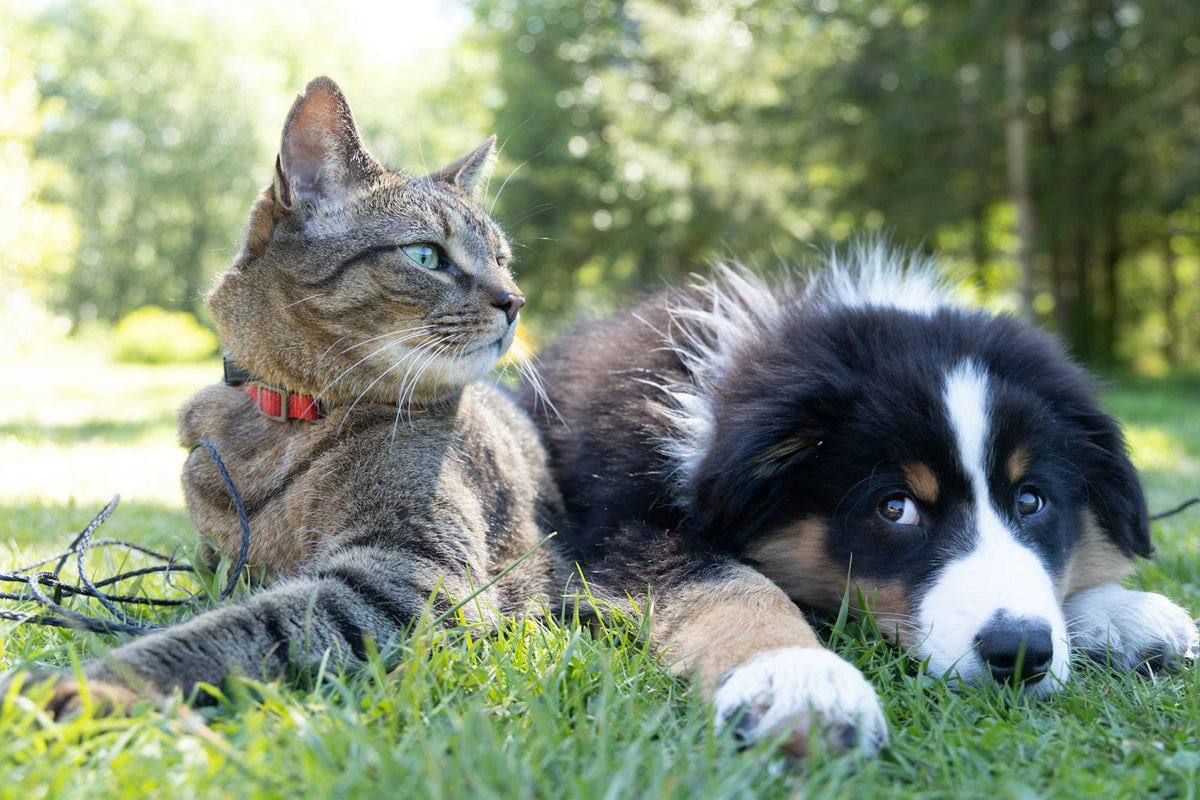
When it comes to pet grooming, one common misconception still persists: that all pets have the same skin needs.
In reality, dog skin and cat skin are biologically different, and these differences directly affect how grooming products interact with their skin barrier. Using human shampoos or products that are not species-specific can lead to dryness, irritation, microbial imbalance and long-term skin damage.
If you are looking for safe grooming products for dogs and cats, it helps to understand what makes their skin unique.

Epidermal thickness in dogs and cats
Human skin has approximately 10 to 15 epidermal layers. Dogs typically have only 3 to 5, while cats may have even fewer in certain regions. This makes pet skin:
- Thinner
- More permeable
- Highly sensitive to harsh chemicals
- Vulnerable to transepidermal water loss
Unsuitable grooming formulations can easily damage this delicate barrier. That is why a pH-balanced formula like the RayTails Conditioning Dog Shampoo helps maintain hydration without stripping essential lipids. Cats need even milder formulations, such as the RayTails Conditioning Cat Shampoo, designed specifically for feline skin sensitivity.
Skin pH differences
Maintaining the correct skin pH is essential for barrier enzyme activity, microbiome balance, sebum regulation and inflammation control. Typical skin pH levels are:
| Species | Typical skin pH |
|---|---|
| Human | 4.5 to 5.5 |
| Dog | about 6.2 to 7.5 |
| Cat | about 6.0 to 6.5 |
Using human grooming products on pets may disrupt the acid mantle, altering the natural microbiome and increasing the risk of irritation or dermatitis. According to the Merck Veterinary Manual, canine and feline skin is structurally adapted to species-specific environmental exposure and grooming behaviour.
Hair follicle density and grooming sensitivity
Dogs and cats have compound hair follicles, meaning several hairs grow from a single follicular opening. This increases:
- Sebum retention
- Risk of microbial colonisation
- Sensitivity to product residue
- Risk of follicular blockage
Cats also groom themselves frequently, which places repeated mechanical stress on the skin. Residue from unsuitable products can later be ingested during grooming, which makes safe cat grooming products all the more important.
Daily coat hygiene solutions such as the RayTails Dog Deodorant Spray can help maintain freshness between baths without harsh rinsing cycles.
Why species-specific grooming products matter
Using non-specific grooming products may:
- Strip natural skin lipids
- Increase transepidermal water loss (TEWL)
- Alter microbial balance
- Trigger itching or dermatitis
- Slow barrier recovery
Choosing vet-guided grooming products for dogs and cats supports long-term skin integrity and coat quality.
The bottom line
Cats are not small dogs, and dogs are not humans. Healthy grooming begins with species-specific skin science. Explore our grooming ranges for dogs and cats to find the right fit for your pet.


